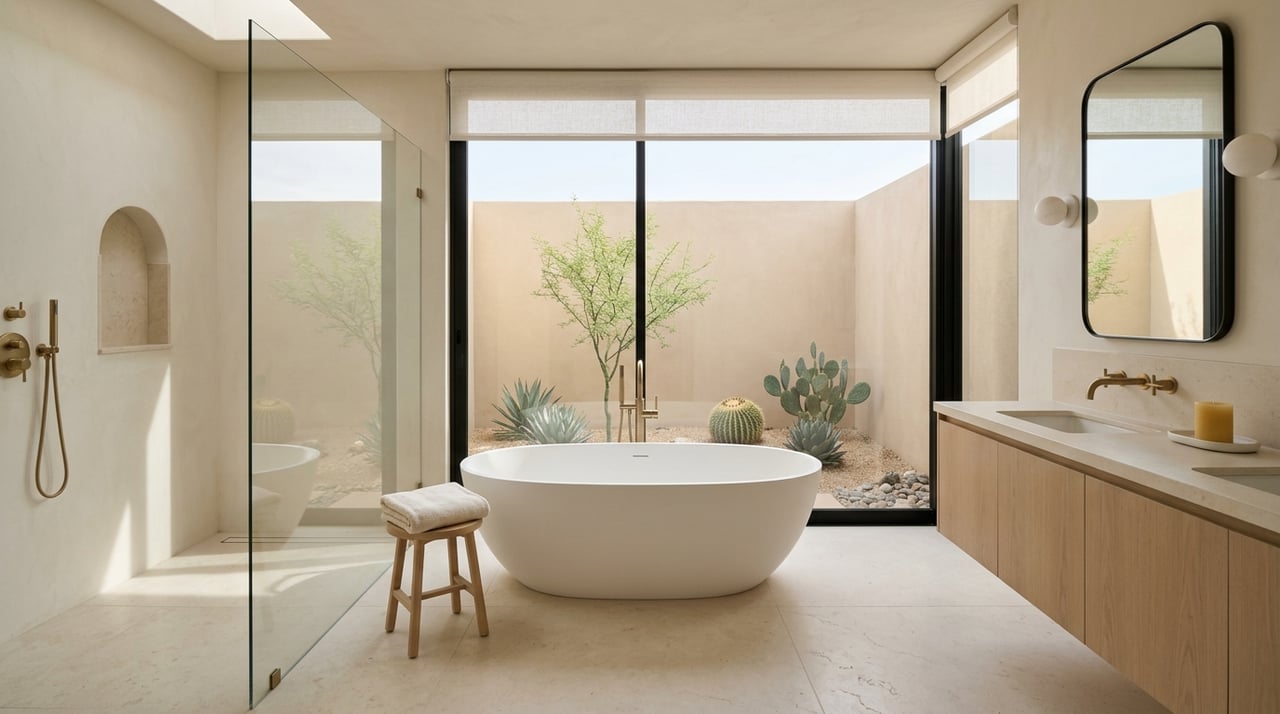
What makes one Sedona vacation rental stand out while another gets lost in a crowded market? In a place known for red rock views, wellness travel, and memorable short stays, design is not just about looking good. It affects guest reviews, nightly rates, and how smoothly your property operates. If you are planning a Sedona short-term rental, here is how to design for stronger performance, better guest experience, and long-term value. Let’s dive in.
Why design matters in Sedona
Sedona is not a casual vacation market. According to the City of Sedona tourism overview, the area draws about 4 million visitors each year with a mix of scenery, outdoor recreation, arts, wellness, history, and food. Arizona also reported record statewide visitor spending in 2024, which reinforces how important tourism is to the region.
That demand is attractive, but so is the competition. Sedona’s planning documents report more than 1,100 identified short-term rentals by 2023, and the city counted 1,219 permitted STR properties in June 2025. In a market with this much supply, strong design becomes part of your business strategy.
Recent city data also suggests guests will pay for quality. In the city’s October and November 2025 market reporting, Sedona short-term rentals posted strong average daily rates and meaningful visitor spending. That does not mean every stylish update will pay off, but it does mean thoughtful, guest-centered design can support better positioning.
Start with compliance first
Before you choose furniture, finishes, or amenities, make sure the property can operate correctly. The City of Sedona short-term rental requirements require each rental unit to have its own permit, at least $500,000 in liability insurance, and a permit number listed on every rental advertisement.
The city also places clear limits on use. Under Sedona’s vacation rental rules, short-term rentals cannot be used for special events such as weddings, retreats, conferences, trainings, or workshops. That should shape your design decisions and listing language from the start.
In practical terms, a high-performing Sedona rental should be designed for overnight lodging, not event hosting. Focus on comfort, easy circulation, quiet outdoor living, and durable materials. Avoid building your business plan around large gatherings the city does not allow.
Design with Sedona’s landscape in mind
Sedona gives owners an unusually clear design roadmap. The city’s Design Review Manual says development should be attractive, sustainable, and compatible with the surrounding environment. Materials, colors, textures, and landscaping should reflect the natural setting and help protect long-term property value.
That means your rental should feel connected to place, not imported from another market. In Sedona, design tends to perform best when it uses warm, grounded colors, natural textures, and forms that do not compete with the scenery. Clean lines can work beautifully here, but they should still feel calm and restrained.
The city’s scenic beauty guidance also emphasizes blending with the environment, preserving views, and reducing visual bulk. Even if you are remodeling rather than building from scratch, those ideas still matter. Thoughtful exterior paint, lower-contrast materials, and landscape choices that fit the desert setting can make the property feel more authentic and more appealing.
Make outdoor living a real feature
In Sedona, outdoor space is not a bonus. It is part of the stay. The Design Review Manual encourages people-oriented gathering spaces such as patios, courtyards, gardens, seating areas, shade, and view-focused spaces.
For a vacation rental, this means your exterior design should do more than photograph well. It should actually help guests relax, dine, recharge, and enjoy the scenery in comfort. A simple but well-planned patio often outperforms a larger space with no shade, seating logic, or privacy.
Outdoor features worth prioritizing
- Covered patios or pergolas for daytime shade
- Comfortable seating arranged toward views or conversation
- A defined outdoor dining area
- Low-maintenance native or low-water landscaping
- Soft, shielded lighting that respects dark-sky rules
- Buffers from parking areas when possible
Sedona’s planning resources also note that hotter developed areas can run at least 9.1°F warmer than cooler parts of town when asphalt and hardscape dominate. The city’s community development resources support heat-aware design choices like shade trees, covered areas, and lower-water landscape planning. In short, cooling strategies are not just good design. They improve the guest experience.
Respect dark skies and quiet comfort
Sedona is an International Dark Sky City, and the city requires shielded lighting through its community development standards. That should affect both your exterior fixtures and your guest experience planning.
Harsh floodlights and overly bright decorative lighting can work against the setting you are trying to sell. Soft pathway lighting, shielded sconces, and warm ambient patio lighting are a better fit. They also help create the calm, premium feel many Sedona travelers want.
Quiet comfort matters too. Since the city operates a 24/7 hotline for complaints related to noise, trash, and parking, operational design should support good neighbor outcomes. Clear parking instructions, easy-to-find trash storage, and outdoor layouts that encourage conversation rather than loud gathering can reduce friction.
Design for short, high-impact stays
City data indicates Sedona gets a strong overnight travel share, and a December 2024 city report notes an overnight stay length of 2.5 days. That suggests many guests are booking quick getaways, not extended stays.
When guests only have a couple of nights, every detail matters more. They want the home to feel intuitive right away. There is less room for confusing lighting, awkward check-in, cluttered storage, or under-equipped kitchens.
Focus on friction-free basics
- Easy, well-lit entry
- Reliable Wi-Fi
- Clear parking access
- Comfortable beds and quality window coverings
- A real dining space, even in smaller homes
- Well-organized bathrooms with durable finishes
- A kitchen stocked for simple meals and coffee
These choices may sound basic, but research supports them. A 2024 Scientific Reports study found cleanliness played a critical role in Airbnb satisfaction, while communication and location also had strong effects. Broader review analysis cited recurring guest themes such as views, patios, cleanliness, parking, sleep quality, kitchen setup, bathroom quality, and host responsiveness.
Pair beauty with durability
In a high-turnover rental, beautiful design only works if it holds up. Recent pricing research also points to cleanliness, location, and amenities as major pricing drivers, which means finishes should help the home stay easy to maintain as well as visually appealing.
Choose surfaces and furnishings that can be cleaned quickly and that age well under repeated use. Washable wall finishes, durable upholstery, easy-care flooring, and quality hardware can support smoother turnovers and more consistent presentation. In Sedona, natural-looking materials often perform well because they fit the setting and hide wear better than trend-driven finishes.
A good rule is simple: if it looks expensive but creates cleaning headaches, it may hurt performance. If it looks elevated and supports faster turnover quality, it is more likely to pay off.
Match amenities to Sedona travel patterns
Sedona attracts travelers interested in scenery, rest, outdoor activity, and wellness. That does not mean you need to overbuild every property with expensive extras. It does mean your amenity plan should fit the market and the home itself.
The strongest rentals often layer amenities in a way that feels intentional. Instead of adding random features, create a clear guest story. Is the property built around views and outdoor dining? Around recovery after hiking? Around a boutique wellness feel? Around a family-friendly game and lounge setup?
Amenity ideas that align with Sedona demand
- Hot tub or spa-focused outdoor lounge
- Sauna or cold-plunge features where appropriate
- Game room or media room in larger homes
- Pet-friendly setup if the property and operations support it
- Indoor-outdoor seating zones for morning coffee and sunset viewing
- Simple wellness touches like calm lighting and uncluttered bedrooms
The key is alignment. Amenities should fit the home, the likely guest, and the maintenance plan. In Sedona, style alone is rarely enough. Guests notice whether features are easy to use, well maintained, and truly part of the experience.
Market the right experience
Because Sedona prohibits special events in short-term rentals, your design and marketing should highlight the right use case. Sell the stay, not the party. Focus on comfort, scenery, restoration, and ease.
That can shape everything from your photography plan to your room layout. Show how guests will spend their time in the home: coffee on the patio, a relaxed dinner after hiking, a comfortable night’s sleep, a quiet soak under the stars. These are the moments that fit both the market and the rules.
It also helps protect your reputation. In a market where the city cannot currently cap the total number of short-term rentals, the vacation rental FAQ makes it clear that compliance and operations matter. Well-designed homes that are easy to manage and easy for guests to understand have an advantage.
Build a Sedona rental that feels worth the rate
A high-performing vacation rental in Sedona should do four things well. It should visually belong in the landscape, make outdoor living comfortable, support smooth guest operations, and comply with local rules. When those pieces work together, design becomes more than decor. It becomes part of your pricing power and your review strategy.
If you are exploring a Sedona purchase, planning a redesign, or looking for a property that can work as both a lifestyle asset and a short-term rental, Jasson Dellacroce can help you think through the stay, the setup, and the real estate side with a design-forward, local perspective.
FAQs
What makes a Sedona vacation rental high-performing?
- A strong Sedona rental usually combines landscape-aware design, comfortable outdoor living, smooth guest functionality, cleanliness, and full compliance with city rules.
What are the permit requirements for a Sedona short-term rental?
- According to the City of Sedona, each unit needs its own permit, owners need an Arizona Transaction Privilege Tax license first, the annual permit fee is $210 per unit, at least $500,000 in liability insurance is required, and the permit number must appear in every listing.
Can you host weddings or retreats at a Sedona vacation rental?
- No. The City of Sedona says short-term rentals may not be used for special events of any size, including weddings, retreats, conferences, trainings, and workshops.
What design style works best for Sedona short-term rentals?
- The best approach is typically a design that reflects Sedona’s natural setting through grounded colors, natural textures, durable materials, and outdoor spaces that prioritize shade, seating, and views.
Which amenities matter most in a Sedona Airbnb?
- Research and market context suggest guests strongly value cleanliness, communication, parking, sleep quality, kitchens, bathrooms, views, patios, and practical amenities like easy entry and reliable Wi-Fi.
How much tax should you plan for on a Sedona STR in Yavapai County?
- The City of Sedona FAQ lists a combined short-term rental tax rate of 13.325% for Yavapai County properties.
