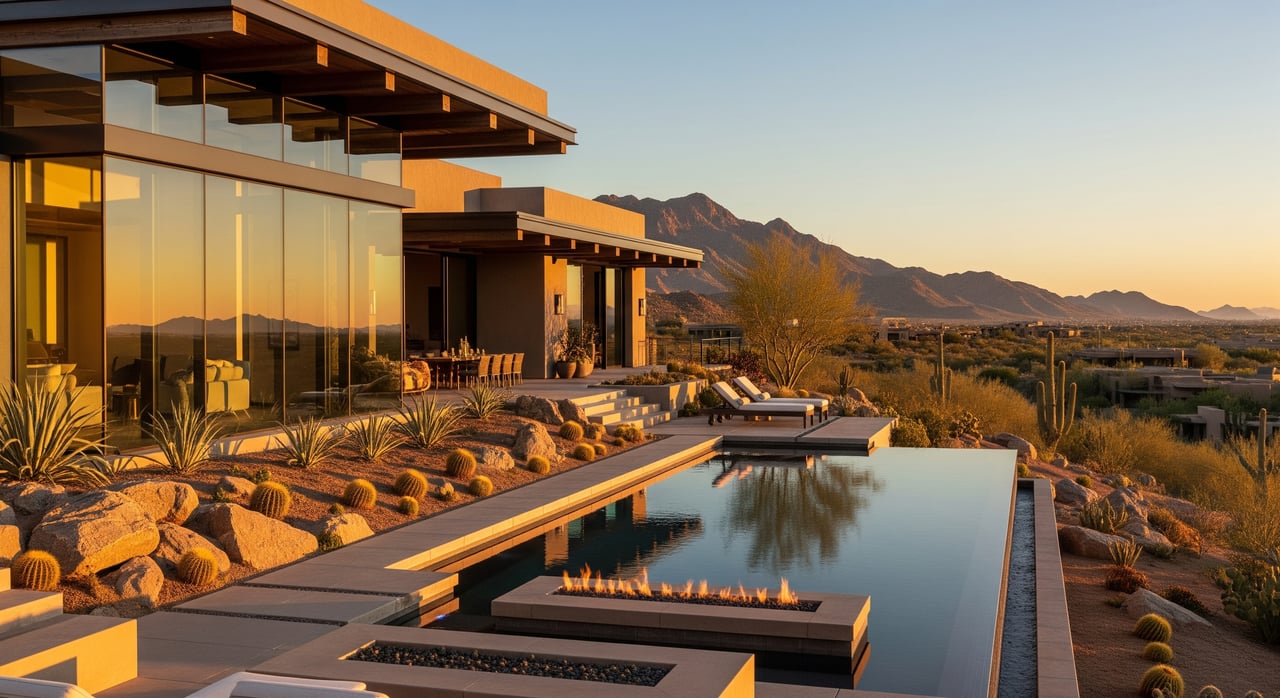
Dreaming of a seasonal base in the Sonoran Desert, but not sure how financing a second home actually works? You’re not alone. Buying in North Scottsdale often means higher price points, HOA rules, and condo nuances that change your loan options. In this guide, you’ll learn how lenders define a second home, what programs are available, how jumbo financing comes into play, and the exact documents and steps to prepare. Let’s dive in.
Second home basics
Before you shop, it helps to know how lenders view occupancy.
- A primary residence is the home you live in most of the year.
- A second home is a property you occupy part of the year for personal use. It is not used primarily as an income property.
- An investment property is purchased to generate rental income and has stricter underwriting.
If you plan to advertise the home for short stays, most lenders treat it as an investment property. Disclose your plans upfront so your financing aligns with your intended use.
Loan types you can use
North Scottsdale buyers commonly use these loan paths for second homes:
- Conventional loans. Fannie Mae and Freddie Mac allow second‑home financing with specific occupancy and property rules. These are the most common option for eligible loan sizes.
- Jumbo loans. If your loan amount exceeds the conforming limit for Maricopa County, it is a jumbo. Jumbos are available for second homes, but expect stronger credit, larger down payments, and more cash reserves.
- Portfolio loans. Some banks and credit unions keep loans on their books and can finance nonstandard property types or condo projects. Rates or down payment needs are often higher.
- Government loans. FHA, VA, and USDA programs are primarily for primary residences, not second homes.
In North Scottsdale’s luxury neighborhoods, many purchases exceed the conforming limit. That pushes you toward jumbo or portfolio products.
What lenders look for
Down payment and LTV
For second homes, lenders usually ask for a larger down payment than on a primary residence.
- Conventional second‑home loans commonly require around 10 percent down, though 15 to 20 percent is not unusual depending on your profile and the lender.
- Jumbo loans often start at 20 percent down, with some lenders requiring more at higher price tiers.
Your exact maximum loan‑to‑value depends on credit, reserves, and the property.
Credit and payment history
Stronger credit is key. Many lenders price best for scores in the mid‑700s or higher on second homes. They also want a clean mortgage history on your current home, with no recent late payments or major credit events.
Debt‑to‑income ratio
Second‑home loans often come with tighter debt‑to‑income limits than primary residences. A common target is around 43 to 45 percent, though lender overlays can push lower.
Cash reserves
Expect a bigger reserve cushion. Lenders measure reserves in months of total housing payment, and they count payments on all financed properties you own.
- Conventional second homes often require 6 to 12 months of reserves.
- Jumbos and higher‑risk profiles tend to require 12 months or more.
Reserves must be documented in eligible accounts. Some assets may be discounted, so review this early.
Rates and pricing
Second‑home loans usually carry a modest rate premium versus comparable primary‑residence loans. Jumbos can vary more by lender and market conditions. Condo projects with risk factors can also trigger pricing adjustments or higher down payments.
Documentation and appraisal
Plan on full documentation. You will provide income verification, asset statements, and current mortgage statements for any other homes. Appraisals are standard. For custom or unique luxury homes, appraisal complexity and cost can be higher.
Occupancy and rental intent
You will sign an occupancy affidavit confirming the property is a second home for personal use. If you intend to rent it short‑term, your lender may reclassify the loan as an investment product. Share your plans upfront.
Conforming vs. jumbo in North Scottsdale
Conforming loan limits are set each year. Loans above that limit are jumbos. This matters here because many properties in areas like DC Ranch, Desert Mountain, Troon, Silverleaf, and Pinnacle Peak often price above conforming caps.
- If your price point or renovation plans push you over the conforming limit, prepare for jumbo requirements: stronger credit, larger down payment, and more reserves.
- Even if your purchase price is near the limit, combined loans or unique property features might move you into jumbo territory.
Confirm the current conforming limit for Maricopa County with your lender early in the process.
Condo and HOA factors
Condo financing depends heavily on whether the project is warrantable under agency rules.
Why warrantability matters
Agency‑eligible loans require a condo project to meet criteria around owner‑occupancy levels, investor concentration, insurance, financial health, litigation, and more. If a project is non‑warrantable, you may need a portfolio or jumbo lender and potentially a larger down payment.
Common condo red flags
- High rental or short‑term rental activity in the project
- One owner or developer holding many units
- Significant HOA delinquencies
- Active or significant litigation involving the HOA
- Insufficient reserves or weak financials
- Excessive commercial space in the building
- Timeshares, fractional ownership, or hotel‑style operations
What lenders review for condos
Lenders will request the HOA budget, reserve details, master insurance, fidelity coverage, a project questionnaire, and the CC&Rs. If the project is not already on an approved list, they will complete a project review. Start collecting HOA contacts and documents as soon as you go under contract.
Local tips for North Scottsdale condos
Many desirable condo and townhome communities sit near golf and resort amenities, where vacation rentals can be common. That can impact warrantability. HOA dues also tend to be higher in amenity‑rich communities, which affects your monthly payment and the reserves lenders require.
Total cost considerations
Your lender evaluates your full monthly housing cost on the new property, not just principal and interest. In North Scottsdale, add these to your budget:
- HOA dues. Amenity‑rich communities often have higher dues. If there are master and sub‑associations, ask for both.
- Insurance. Ensure adequate hazard and liability coverage. On some lots, wildfire risk or wind and hail exposure can affect coverage and pricing.
- Property taxes. Provide your lender with estimated taxes and HOA dues early so they can calculate an accurate debt‑to‑income ratio.
Plan your reserves with these costs included. Lenders calculate reserves using the full payment across all your financed properties.
Step‑by‑step: prepare for a smooth approval
Use this quick roadmap to streamline your second‑home loan.
Clarify your plan
- Confirm your true occupancy intent and whether you might rent the home.
- Ask your lender which products fit your price point: conforming conventional, jumbo, or portfolio.
- Discuss down payment, maximum LTV, minimum credit score, DTI limits, and reserve requirements specific to second homes.
- Ask about gift funds if you plan to use them. Rules differ for second homes.
Gather documents early
- Income: recent pay stubs and W‑2s, or two years of tax returns if self‑employed.
- Assets: recent bank, retirement, and investment statements documenting down payment and required reserves.
- Existing homes: current mortgage statements and on‑time payment history.
- ID: government ID and Social Security number.
- Condo buyers: HOA contact info, dues schedule, CC&Rs, budget, and recent meeting minutes if available.
Plan for timing
- Order HOA and condo documentation early. Project reviews can add time.
- If the property is likely a jumbo, speak with lenders who regularly close jumbo second‑home loans.
- Expect higher appraisal scrutiny on unique or custom properties. Appraiser availability can affect timelines in busy seasons.
Ask sharper lender questions
- What is your maximum LTV for a second home at this price?
- How many months of reserves do you require, and which assets qualify?
- Do you have overlays beyond standard agency guidelines?
- For condos, do you need the project on an approved list, or will you complete a project review? What will you need from the HOA?
- Do you allow short‑term rentals on second‑home financing? If so, under what conditions?
- How are rates different today for primary, second‑home, and jumbo products?
Quick checklist
- Clarify use: second home vs rental
- Confirm conforming vs jumbo
- Nail down down payment and LTV
- Verify DTI and reserve targets
- Collect income and asset docs
- Pull HOA and condo materials
- Prep for appraisal and timelines
Smart strategies with a local partner
In North Scottsdale, the right lender and the right property type matter just as much as timing. If you expect to buy in a luxury golf community, prepare for jumbo financing and higher reserve needs. If you are drawn to a condo near resort amenities, verify warrantability and HOA rules on rentals early. Doing this work upfront prevents surprises and keeps your closing on track.
Arizonadise blends hospitality with local, MLS‑backed buyer representation so you can test neighborhoods before you buy. Stay in a curated Scottsdale home to confirm lifestyle fit, then use those insights to structure your offer and financing strategy. If you decide a property should perform as a rental, we will help you weigh investment classification and operating considerations so your loan, HOA rules, and long‑term plan align.
Ready to map out your second‑home path in North Scottsdale? Connect with Jasson Dellacroce for a local consult, neighborhood stays that double as discovery, and buyer representation tailored to your goals.
FAQs
What is considered a second home by lenders?
- A property you occupy part of the year for your own use, not primarily as a rental. If you plan short‑term rentals, many lenders classify it as an investment property.
How much down payment do I need for a second home?
- Many conventional second‑home loans start around 10 percent down. Lenders may require 15 to 20 percent or more depending on your profile. Jumbos commonly start near 20 percent.
Are interest rates higher for second‑home loans?
- Typically yes. Expect a modest rate premium versus primary‑residence loans. Jumbo pricing varies more by lender and market conditions.
What are reserve requirements for a second home?
- Lenders often require 6 to 12 months of total payment reserves for the second home, and more for jumbo or higher‑risk profiles. Reserves must be documented and eligible.
Can I use a condo as a second home in North Scottsdale?
- Yes, but condo warrantability matters. Projects with high rental activity, weak HOA financials, or litigation can require portfolio financing or larger down payments.
Do FHA, VA, or USDA loans work for second homes?
- Generally no. These programs are designed for primary residences. Second‑home buyers typically use conventional, jumbo, or portfolio loans.
