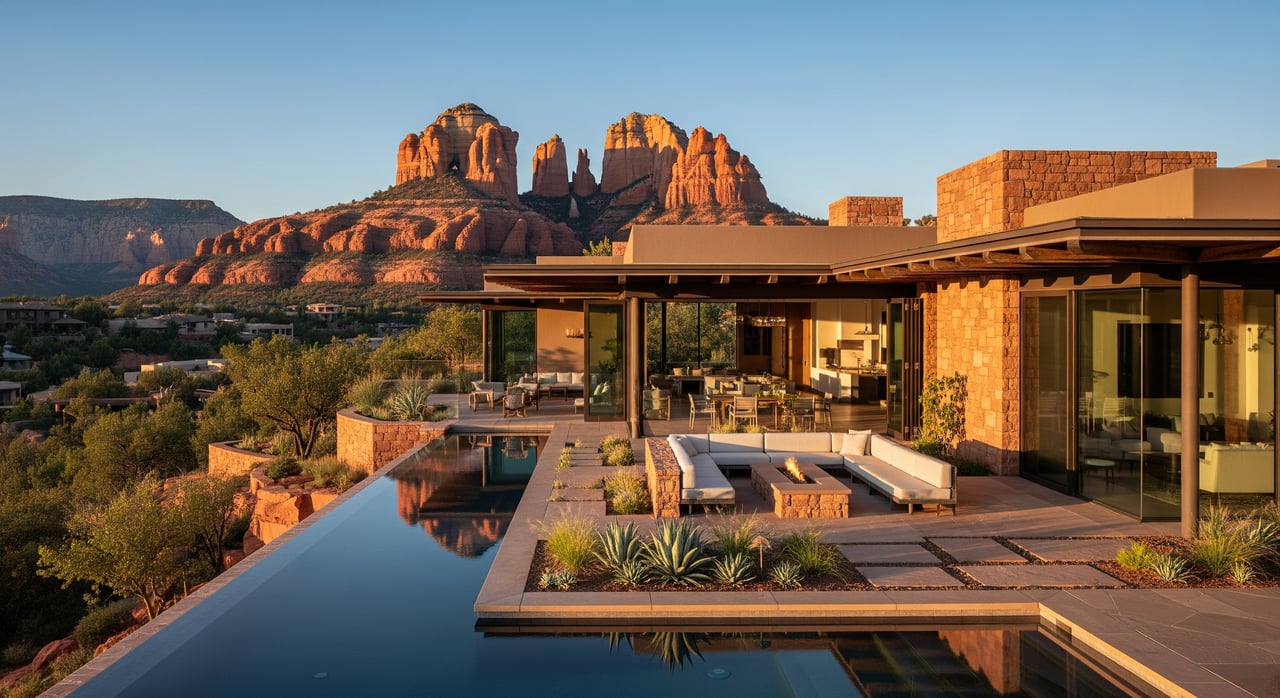
Thinking about buying a home in Sedona but not sure where to start? You are not alone. Sedona is a gorgeous, high‑demand micro‑market that does not behave like Phoenix or Tucson. In this quick overview, you will learn what drives prices, how to think about tiers and property types, when the market is most active, and how tourism and view protections influence value. Let’s dive in.
Sedona at a glance
Sedona is a small, tourism‑centered market defined by red‑rock scenery and outdoor recreation. Many buyers are second‑home owners, retirees, and investors who value lifestyle and views. Inventory is limited compared with big Arizona metros because of terrain, scenic protections, and planning rules that restrict where and how much you can build. The result is a premium for homes with unobstructed red‑rock views and turnkey properties near trails and amenities.
One local detail matters when you look at data. Sedona spans Yavapai and Coconino counties. This overview focuses on the Yavapai County portion. When you review comps or county records, confirm which county a parcel sits in so the data you use is apples to apples.
What you get by price tier
Sedona pricing moves with views, design, and proximity to recreation. Use these tiers to frame your search. Exact dollar bands change quickly, so use current MLS comps to verify.
Tier A: Entry and lower‑cost options
You will often see condominiums, smaller townhomes, older single‑family homes without marquee views, and some infill or manufactured homes. Inventory in this tier is usually the tightest since it appeals to first‑time Sedona buyers and value investors. Expect HOA rules and fees in many communities, plus practical checks like parking and guest policies. Convenience to town is common, which can mean more traffic depending on the season.
Key checks:
- Review HOA rules, reserve funds, and any rental restrictions.
- Understand parking, storage, and noise policies if you plan to host guests.
- Consider traffic patterns near shopping and trailheads during peak seasons.
Tier B: Mid‑market single‑family homes
This tier includes standard detached homes on moderate lots, partial red‑rock views, remodeled older properties, and homes on larger lots without premier views. The buyer pool is broader here, mixing full‑time residents with second‑home buyers. Inventory is still limited compared to large cities, but you will have more options than in the premium view set.
Key checks:
- Compare condition and age, including roof, HVAC, and windows.
- Confirm utilities, such as municipal water versus well and septic.
- Factor in road type, elevation, and microclimate for access during winter weather.
Tier C: Premium view and custom homes
Think custom builds, architect‑driven designs, and homes with direct red‑rock panoramas or protected viewsheds. Listings in this tier are limited and can command a sizable premium over similar homes without views. Many buyers are out of state and ready to move quickly when the right view comes to market.
Key checks:
- Confirm view corridor protection and nearby build potential that could impact views.
- Understand design review processes and any scenic or height limits.
- Review driveway grade, solar orientation, and wildfire mitigation around the home.
Tier D: Luxury estates and trophy properties
These are estate‑scale parcels and compounds with top finishes, prime privacy, and world‑class views, often near desirable trail systems. Inventory is very limited. Sales can be infrequent and can swing median price stats in small samples. Cash offers are common, and timelines can involve more custom inspections.
Key checks:
- Plan for specialized due diligence, such as water rights or unique site conditions.
- Set expectations on escrow length and bespoke inspections.
- Ensure privacy, access, and maintenance agreements meet your goals.
Vacant land and lots
Sedona lots require careful feasibility work. Water availability, septic capacity, slope, and buildable area will shape your design and budget. Many high‑value lots are priced for the view rather than building envelope size.
Key checks:
- Confirm municipal water access or well feasibility, and septic suitability.
- Evaluate slope and access for construction and everyday use.
- Review zoning, lot coverage, design review, and any scenic corridor rules.
What pushes price higher
Across tiers, certain features consistently command a premium:
- Direct red‑rock views and protected view corridors
- Proximity to popular trails and downtown Sedona
- Flat, usable lot area and easy access
- High‑quality construction and finishes
- Privacy and Firewise vegetation management
- Reliable utilities and strong internet service
Seasonality and timing
Sedona’s housing activity follows the visitor calendar. Peak buyer interest typically aligns with spring from March to May and fall from September to November. You will often see more showings and faster uptake during these windows. Winter can be quieter for casual visitors, but serious relocation and retiree buyers remain active, with occasional snow events slowing activity at higher elevations.
Short‑term rental demand tends to rise and fall with the same seasons. Occupancy and nightly rates generally peak in spring and fall. If you are investing, match your underwriting to seasonal revenue patterns rather than using a flat monthly average.
Days on market and inventory also swing with the seasons. View homes priced correctly tend to move quickly in active months. In slower months, you may have more room to negotiate on homes without marquee views. Use MLS days on market and months of inventory by price tier to guide offer timing.
How Sedona deals come together
Cash offers are more common in premium and luxury tiers. This can increase competition and compress timelines when a great view home hits the market. Standard contingencies for financed buyers include inspection and appraisal, and you will often see feasibility periods for land to assess wells, septic, and soils.
Sedona also has local friction points that can elongate an escrow if you do not plan for them. Many roads are private, so verify easements, road maintenance agreements, and rights of way. New construction or major remodels may involve HOA or design‑review timelines. If you are buying with an investor lens, confirm that a short‑term rental use is permitted before relying on projected income.
Tourism, views, and local rules
Tourism’s role in demand
Tourism drives year‑round visitation, which supports strong interest in short‑term rentals where they are allowed. This is a key reason investors target Sedona. The same visitor traffic can influence day‑to‑day convenience near downtown and popular trailheads, so weigh location benefits against seasonal congestion.
Views and view protections
Views are a primary price driver. Unobstructed panoramas can materially lift value, while loss of a view can reduce resale potential. Local planning standards, height limits, and scenic corridor guidelines are designed to protect the visual character of the area. These rules help preserve view premiums, but they can add steps for new builds and exterior changes. Build your timeline around design review if you plan to modify a home or develop a lot.
Short‑term rental regulation
Short‑term rentals connect tourism to real estate economics in Sedona. Rules have evolved in recent years, and changes can shift investment outcomes quickly. Before you base a purchase on rental income, confirm current permit requirements, neighborhood restrictions, and enforcement practices with the local planning office.
Risk, insurance, and infrastructure
Wildfire exposure is a real consideration. It can influence insurance availability, premiums, and lender requirements. Properties that demonstrate defensible space and Firewise improvements can be more attractive to buyers and insurers. Also evaluate utilities and connectivity. Homes on wells and septic have extra maintenance and permitting steps, and internet or cell coverage may vary by neighborhood.
Sedona vs other Arizona markets
Compared with Phoenix or Tucson, Sedona is a much smaller, tourism‑driven market with limited developable land. That scarcity supports premium pricing for view properties and can reduce days on market when homes are listed correctly. Prescott and Flagstaff offer different mixes of climate, scale, and inventory, but neither replicates Sedona’s specific blend of red‑rock views and visitor demand. Expect more volatility in median prices in Sedona due to low sample sizes, especially when several luxury sales close in a short period.
First‑time buyer and investor checklist
Use this quick list to focus your search and avoid surprises:
- Confirm county. Verify that property data and comps match the Yavapai County portion when you compare.
- Validate utilities. Know if the home has municipal water, well, septic, or delivered services, and budget for maintenance.
- Protect the view. Check build potential on neighboring lots, height limits, and vegetation that could grow into your view corridor.
- Verify access. Review easements, private road maintenance agreements, and winter accessibility.
- Pre‑quote insurance. Ask about wildfire risk, required mitigation, and insurer options early in the process.
- Underwrite seasonality. If investing, model spring and fall peaks along with softer seasons to set realistic cash flow expectations.
- Check STR feasibility. Confirm current rules before you count on rental income.
- Plan your exit. Smaller markets can mean longer resale timelines at higher price points. Align your horizon with expected liquidity.
Next steps: experience Sedona first
The best way to buy well in Sedona is to experience the market like a guest, then act with MLS‑backed clarity. With Arizonadise, you can book a curated stay, test neighborhoods and views, and turn that insight into a smart purchase with a local brokerage team. If you are an investor, you can also get support on turnkey operations and performance benchmarks so your underwriting reflects real demand.
Ready to explore the Sedona market with a trusted local guide? Connect with Jasson Dellacroce to book a stay and start your search.
FAQs
What makes Sedona’s housing market different from Phoenix or Tucson?
- Sedona is a smaller, tourism‑driven micro‑market with limited developable land, where red‑rock views and proximity to recreation drive pricing and liquidity.
When is the best time to buy a home in Sedona?
- Spring and fall see the most buyer activity, while winter can be quieter, so you may find more negotiation room then if a property has been on the market.
Are short‑term rentals allowed in Sedona’s Yavapai County portion?
- Short‑term rentals exist in Sedona, but rules evolve, so you should confirm current permit requirements and neighborhood restrictions before relying on rental income.
How important are red‑rock views to resale value?
- Views are a primary price driver, and protected view corridors can support long‑term value, while loss of a view can reduce resale potential.
What should I know about buying a lot or building in Sedona?
- Check water access or well feasibility, septic capacity, slope, buildable area, and design review or scenic corridor rules that shape what and where you can build.
Do homes sell quickly in Sedona?
- Truly desirable view homes can move fast when priced correctly, especially in spring and fall, while other listings may see longer days on market.
How does wildfire risk affect homeowners and buyers?
- Wildfire exposure can impact insurance availability and cost, and buyers often evaluate defensible space, mitigation steps, and evacuation access as part of due diligence.
